 Sterling Bond
You will identify subtle signs of disordered breathing during sleep and its direct toll on daytime patience. You will see how resolving nightly hypoxia restores attentiveness toward your spouse.

- Fragmented nocturnal oxygen undermines both natural vitality synthesis and emotional regulation.
- Snoring creates unspoken resentment around bedroom disruption and chronic partner tiredness.
- Modern clinical sleep interventions restore restorative slumber and daytime warmth.
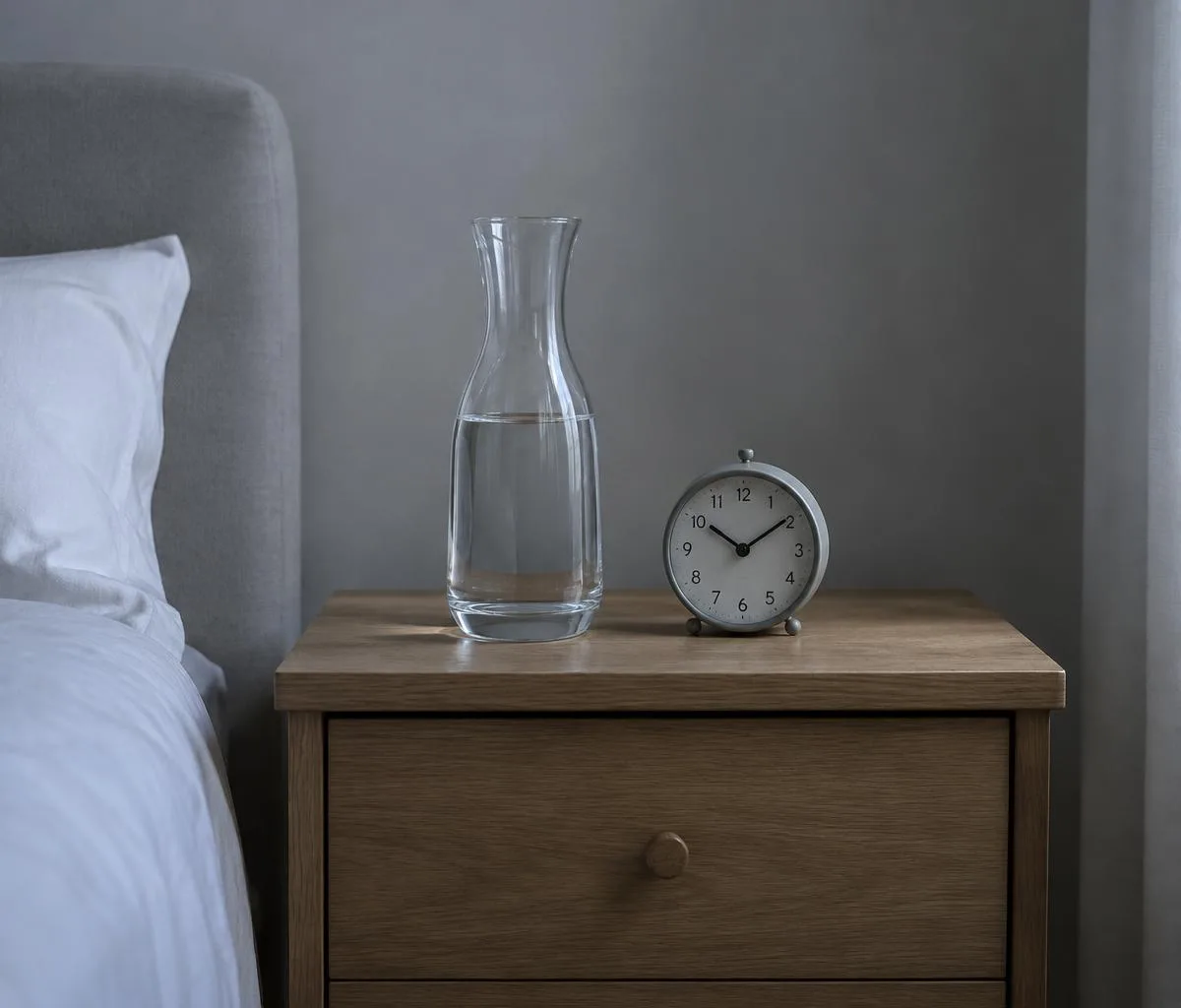
When we share a bed with someone, we share an acoustic and physiological ecosystem. We lie down beneath identical weights of woven linen or wool, expecting the quiet labor of the night to repair our muscles and steady our minds. Yet for millions of homes, the dark brings an unchosen friction. A partner gasps, chokes, or shudders against the mattress, while the other lies rigid in the dark, caught between genuine concern and the mounting frustration of interrupted rest. It is a slow, quiet strain that settles into morning kitchen routines, fraying affection over cups of bitter coffee.
Obstructive sleep apnea is rarely just an individual diagnosis; it is an environmental fracture within a domestic partnership. When upper airway tissues collapse, stopping airflow dozens of times an hour, the body experiences a cascade of chemical alarm bells that ripple across the mattress. To mend the relational strain that follows, we have to look past simple irritation and examine the physical mechanics of the condition. Treating this disturbance requires the same patient, practical care we give to any delicate craft: observing the raw materials, identifying points of structural stress, and working methodically with the proper tools.
The Hidden Cost of Disrupted Nighttime Respiration
In our workshops and studies, we often notice that chronic wear begins long before a material visibly cracks. With sleep-disordered breathing, the initial damage is hidden inside nighttime architecture. As soft palates and pharyngeal tissues slacken, partial obstructions produce snoring that regularly reaches 65 to 80 decibels, equivalent to an old blender running beside the ear. Even when a bed partner does not wake fully into conscious awareness, their brain registers these acoustic peaks, shifting out of restorative slow-wave sleep into shallow, fragmented stages.
For the person experiencing the airway collapse, the cost is metabolic. Each obstruction starves the bloodstream of oxygen, triggering a sudden spike in sympathetic nervous system tone. Heart rates lurch upward by 15 to 30 beats per minute, blood pressure rises, and daily balance floods the vascular tree to force a survival arousal. The sleeper thrashes, gasps, and falls back under, only for the cycle to repeat every two minutes throughout the eight-hour night.
By dawn, neither partner has inhabited the deeper, restorative chambers of sleep. The bed partner absorbs an estimated loss of 60 to 90 minutes of sleep each night, while the breathing partner awakens with dried mucous membranes, tension headaches, and an underlying state of physical exhaustion that masquerades as apathy or irritability.
How Nocturnal Oxygen Drops Deplete Daytime Patience
Patience is not an abstract virtue; it is an energy-intensive neurological operation run by the prefrontal cortex. This region of the brain relies upon steady oxygen saturation and uninterrupted cycles of non-rapid eye movement (NREM) and rapid eye movement (REM) sleep to regulate emotional processing, executive function, and impulse control. When nocturnal oxygen saturation drops from a normal 96 percent down into the 80s or 70s, neural tissues suffer transient ischemic stress.
The daytime consequences shape how two people speak to one another over ordinary domestic challenges. We notice specific behavioural shifts that undermine domestic harmony:
- Shortened emotional fuses: The depleted prefrontal cortex struggles to dampen signals from the amygdala, turning a misplaced set of keys or a sink full of cast iron pans into a flashpoint for sudden anger.
- Diminished empathetic attunement: An exhausted mind cuts off non-essential social processing. We fail to read our partner's micro-expressions, miss subtle shifts in tone, and misinterpret neutral requests as hostile criticism.
- Executive dysfunction and withdrawal: Planning meals, managing calendars, or participating in evening conversations feels like lifting heavy lumber with sprained wrists. The affected partner often retreats into quiet inertia, which the other partner frequently reads as neglect or emotional abandonment.
When both partners arrive at breakfast with their neurological reserves depleted, defensive postures become default habits. Minor differences harden into chronic resentment, not because love has decayed, but because the biological infrastructure supporting empathy has worn down to the bare grain.
Addressing the Separate-Bedroom Debate Thoughtfully
When snoring and thrashing become intolerable, moving to a guest room or a tailored daybed is often the fastest way to stop sleep deprivation from destroying mutual kindness. Yet this decision frequently carries a heavy emotional weight, shadowed by the belief that separate beds signify a broken marriage. We believe in treating sleeping quarters with functional honesty rather than dogmatic tradition.
A deliberate, respectful conversation about sleep logistics protects the bond while acknowledging biological limits. If you choose to sleep apart, frame the decision as an engineering measure designed to safeguard daytime goodwill, not as an exile or a permanent emotional departure.
| Consideration | Shared Bed (Unmanaged Apnea) | Intentional Separate Bedrooms |
|---|---|---|
| Sleep Continuity | Interrupted 12 to 35 times per hour by acoustic spikes and bed movement. | Continuous sleep cycles without external sensory awakenings. |
| Morning Disposition | Resentful, physically stiff, and neurologically guarded. | Rested, composed, and able to greet each other with warmth. |
| Physical Intimacy | Frequently avoided due to chronic fatigue and unexpressed anger. | Scheduled or spontaneous, preserved through deliberate contact before sleep. |
| Long-Term Health Risk | Elevated cardiovascular strain for both partners. | Mitigates sleep debt while medical solutions are arranged. |
If you separate your sleeping spaces, build explicit counterweights. Spend twenty minutes reading or talking together under the same blanket before separating. Agree on who wakes whom in the morning, and leave bedroom doors unlatched to keep the domestic space porous, hospitable, and free of shame.
Preparing for a Modern Home Sleep Evaluation
Addressing suspected sleep apnea no longer demands an immediate night spent in a sterile hospital laboratory under harsh fluorescent tubes. For most uncomplicated presentations, clinicians use modern Type III or Type IV home sleep testing (HST) kits that record your natural breathing patterns while you rest in your own bed.
Receiving this equipment calls for meticulous preparation. You are gathering clinical data that will shape your medical pathway, and collecting clean, uncorrupted signals requires care:
- Audit the kit components: Unpack the kit onto a clean pine or oak table. You should identify a central data recorder, an adjustable elastic chest belt, a finger pulse oximeter probe, and a soft plastic nasal cannula designed to measure airflow and pressure changes.
- Cleanse your skin of oils: An hour before your target bedtime, wash your face and chest with plain Castile soap and warm water, avoiding moisturizers, balms, or heavy oils that can degrade sensor adhesives or cause the finger probe to slip.
- Secure the nasal cannula with care: Insert the prongs curving downward into your nostrils, draw the clear tubing behind both ears, and slide the plastic cinch up under your chin until it sits snug against the skin without pinching. Apply two small strips of medical paper tape to your cheekbones to prevent the tubing from catching on your pillowcase.
- Fasten the thoracic effort band: Snap the belt around your torso across the sternum or upper abdomen, depending on your kit's instructions. It should feel as snug as a fitted vest, expanding gently with each breath without restricting full diaphragmatic movement.
- Run the self-test sequence: Power on the device according to the clinic's card. Check the indicator lights: most units glow green when the oximeter, belt, and cannula are registering valid biological signals.
Sleep as normally as you can. If you must use the washroom at 3:00 AM, move calmly without pulling the cables loose. In the morning, power down the unit, pack every lead neatly into its zippered case, and hand it back to your sleep clinic for scoring by a board-certified sleep specialist.
Adapting to Therapy Devices Without Embarrassment
The standard intervention for obstructive sleep apnea is continuous positive airway pressure (CPAP), a mechanical system that delivers humidified, pressurized ambient air to keep the soft palate and tongue from collapsing into the airway. Yet many people stall when they open the box. The presence of a plastic shell, corrugated tubing, and silicone headgear can trigger deep feelings of physical inadequacy or medical vulnerability in front of a spouse.
We normalize machinery by understanding its material function. A CPAP unit is simply a quiet air pump, a water chamber, and a supple gasket. It operates around 26 to 30 decibels, softer than a gentle whisper, and its presence in the bedroom is an act of consideration toward yourself and your partner. To break down the awkwardness, introduce the device into your home in deliberate increments:
- Practice during daylight: Wear the mask while sitting upright on your sofa for forty minutes on Saturday afternoon while reading a book or handling wood carvings. Let your facial muscles adjust to the silicone skirt without the added pressure of needing to fall asleep.
- Tune your comfort settings: Work with your equipment provider to adjust the ramp time, which starts the air at a mild 4 to 5 centimeters of water pressure before gradually rising to your therapeutic target over thirty minutes. Use the integrated heated humidifier and heated tube to prevent cold rainout condensation from collecting in the hose.
- Select the right geometry: If you breathe through your nose, a minimal nasal pillow mask sitting quietly beneath the nostrils leaves your field of vision clear for reading glasses and unhindered goodnight kisses. If you breathe through your mouth, look for modern low-profile full-face masks that rest under the lower lip and across the nasal bridge without heavy forehead braces.
Talk through the aesthetic shift together. When both people view the equipment not as a clinical intrusion, but as a fine pneumatic tool that restores health and silences the room, embarrassment gives way to relief.
Rebuilding Shared Evening Rhythms After Treatment
Once therapy is established and nocturnal oxygen levels stay steady, the quiet return of physical stamina creates an opportunity to mend the domestic fabric. This is the restorative stage, where you consciously rebuild the evening habits that eroded during the months of chronic exhaustion.
Begin by setting an unhurried, shared wind-down routine. An hour before turning out the lamps, step away from bright digital screens that disrupt melatonin synthesis. Instead, engage in slow, hands-on tasks that anchor the senses: wiping down kitchen counters, steeping loose chamomile blossoms in an earthenware pot, or stretching tight hamstrings on a wool rug. These manual rhythms signal to both nervous systems that the working day is done and the home is safe.
Re-establish gentle physical contact in bed. If one partner wears a CPAP mask, route the flexible hose up over the headboard using a hose hook or an arm clip, keeping the bed plane clear so you can hold hands or rest an arm across each other's shoulders without snagging equipment. Talk about the tangible improvements you notice: clearer focus at work, lighter tempers, and the simple luxury of a dark room that remains undisturbed until morning.
Common Mistakes to Avoid
Even with good intentions, couples often encounter friction while navigating sleep disorders. Avoid these missteps:
- Using sleep apnea as an accusation: Bringing up snoring during a heated argument about chores or finances turns a physiological condition into a weapon. Discuss airway symptoms exclusively during calm, well-lit daytime moments.
- Abandoning therapy over mask leaks: If your mask whistles or blows air into your eyes, do not shove the machine into a closet. Mask fitting is an iterative process; most issues are solved by tightening straps evenly, replacing an aged cushion, or trying a different size.
- Assuming CPAP fixes every relational rift: Restoring oxygen will heal your nervous system and lift chronic fatigue, but it will not automatically resolve communication habits that formed over years of distance. Treat the machine as the physical foundation, not the entire house.
- Self-treating with alcohol or sedatives: A stiff nightcap or over-the-counter sleep medicine acts as a central nervous system depressant. These compounds relax the pharyngeal muscles further, lengthening apneas and dropping blood oxygen to far more dangerous levels.
Practical Next Steps
Mending the strain caused by sleep-disordered breathing requires small, consecutive actions. If you recognize this pattern in your own home, begin with these steps this week:
First, keep an honest three-day sleep log. Record snoring intensity, gasping events noted by a partner, morning headaches, and 2:00 PM energy slumps. Concrete observations replace vague complaints with actionable data.
Second, schedule an appointment with a primary care physician or a board-certified sleep specialist. Hand them your log, describe your daytime fatigue, and ask explicitly if you are a candidate for a home sleep evaluation. If you already own an older therapy device that sits unused in a closet, bring it to a local durable medical equipment supplier to check the blower calibration, clean the chassis, and replace dried-out seals.
support relational friction takes patience and attention. By treating your breathing as an essential craft, tending to its mechanics with steady hands and clear communication, you protect both the longevity of your body and the peace of the home you share.
This publication provides educational context rather than clinical care: consult a licensed physician or therapist regarding individual symptoms. Disclaimer